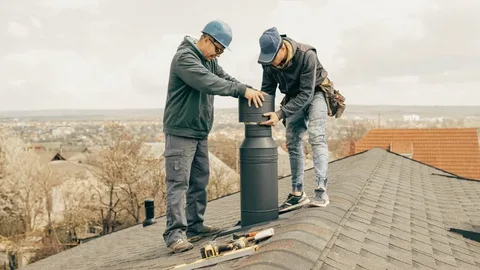
Chimneys are built to be durable, but they are not immune to wear and damage. Constant exposure to heat, moisture, and weather conditions makes them one of the most vulnerable structural components of a home. Over time, even minor issues can develop into significant concerns that require chimney repair.
The challenge is that many chimney problems are not immediately visible. Damage often starts small—hairline cracks, minor leaks, or subtle changes in performance—and gradually worsens if left unaddressed. By the time obvious signs appear, repairs can be more complex and costly.
Understanding how chimney damage develops and when chimney repair is necessary helps homeowners take a proactive approach to maintenance.
Why Chimney Repair Is Often Delayed
Table of Contents
Unlike other parts of the home, chimneys are not inspected regularly by most homeowners. Because they are located on the roof and not used year-round, problems can go unnoticed for long periods.
Some common reasons chimney repair is delayed include:
- Damage is not visible from ground level
- Issues do not immediately affect fireplace performance
- Homeowners assume problems are minor
- Maintenance is viewed as seasonal rather than ongoing
Unfortunately, delaying chimney repair allows small issues to grow into structural concerns that are more expensive to fix.
The Most Common Types of Chimney Damage
Chimney repair can involve a wide range of issues, depending on the age of the structure and environmental conditions.
Some of the most common problems include:
Cracked or Deteriorating Mortar Joints
Mortar naturally weakens over time due to weather exposure and thermal expansion. When joints begin to crack or crumble, water can enter the chimney structure.
Spalling Bricks
When moisture penetrates bricks and freezes, it causes the surface to flake or break apart. This is known as spalling and is a clear sign of water damage.
Chimney Crown Damage
The crown protects the top of the chimney from water intrusion. Cracks in the crown allow moisture to enter from above, leading to widespread deterioration.
Flashing Failure
Flashing seals the area where the chimney meets the roof. When it becomes loose or damaged, water can leak into the home and surrounding structure.
Flue Liner Issues
Cracks or gaps in the flue liner can affect airflow and increase safety risks. Liner damage often requires specialized chimney repair solutions.
Each of these issues can start small but become serious if ignored.
How Moisture Drives the Need for Chimney Repair
Water is the primary cause of chimney damage. Once moisture enters the system, it begins to affect multiple components at once.
Water intrusion can:
- Weaken mortar joints
- Cause bricks to crack or deteriorate
- Rust metal components
- Damage flue liners
- Promote mold and mildew growth
In colder climates, freeze–thaw cycles accelerate this process. Water that enters small cracks freezes and expands, widening those cracks and allowing more moisture to enter.
This cycle repeats throughout winter, leading to rapid deterioration.
Early Warning Signs That Indicate Chimney Repair
Recognizing early warning signs allows homeowners to address issues before they become severe.
Common indicators include:
- Cracks in brick or mortar
- Loose or shifting bricks
- White staining (efflorescence) on masonry
- Water stains near the fireplace
- Rust on metal components
- Strong odors coming from the chimney
- Pieces of masonry falling into the firebox
These signs often indicate that moisture has already begun affecting the chimney structure.
Why Chimney Repair Is a Safety Issue
Chimney damage is not just a structural concern—it can also affect safety.
Cracks in the chimney system can:
- Allow heat to transfer to nearby combustible materials
- Reduce proper venting of smoke and gases
- Increase the risk of chimney fires
- Contribute to carbon monoxide exposure
When the chimney cannot vent properly, harmful gases may remain inside the home.
Timely chimney repair ensures that the system continues to function safely.
Chimney Repair vs. Preventative Maintenance
One of the most important distinctions homeowners should understand is the difference between repair and maintenance.
Preventative maintenance includes:
- Regular inspections
- Cleaning and sweeping
- Minor sealing or adjustments
Chimney repair becomes necessary when:
- Structural damage is present
- Water intrusion has occurred
- Components have deteriorated
- Safety is compromised
The goal of maintenance is to reduce the need for repair. However, when repair is needed, addressing it early prevents more extensive work later.
How Chimney Repair Extends the Life of Your System
A properly maintained chimney can last for decades. However, neglect significantly shortens its lifespan.
Timely chimney repair:
- Restores structural integrity
- Prevents further deterioration
- Protects surrounding roofing and interior areas
- Maintains efficient fireplace performance
- Preserves property value
In many cases, small repairs can add years to the life of a chimney.
When to Schedule Chimney Repair
The best time to schedule chimney repair is when issues are first detected. Waiting allows damage to spread.
Ideal times for inspection and repair include:
- After the heating season ends
- Before winter begins
- Following severe weather events
- When warning signs appear
Addressing issues during warmer months allows materials to cure properly and prevents further freeze–thaw damage.
The Importance of Professional Chimney Repair
Chimney systems involve multiple components working together. Proper repair requires an understanding of masonry, venting systems, and structural behavior.
A professional chimney repair specialist can:
- Identify the root cause of damage
- Recommend appropriate repair solutions
- Ensure proper material compatibility
- Prevent recurring issues
- Restore both safety and performance
DIY repairs may address surface issues but often fail to resolve underlying problems.
Final Thoughts
Chimney repair is an essential part of maintaining a safe and durable home. While damage may develop gradually, its effects can become significant if left unaddressed.
By recognizing early warning signs and understanding the role of moisture, homeowners can take proactive steps to protect their chimney system.
Timely chimney repair not only prevents costly structural damage but also ensures that your fireplace and chimney continue to operate safely and efficiently for years to come.